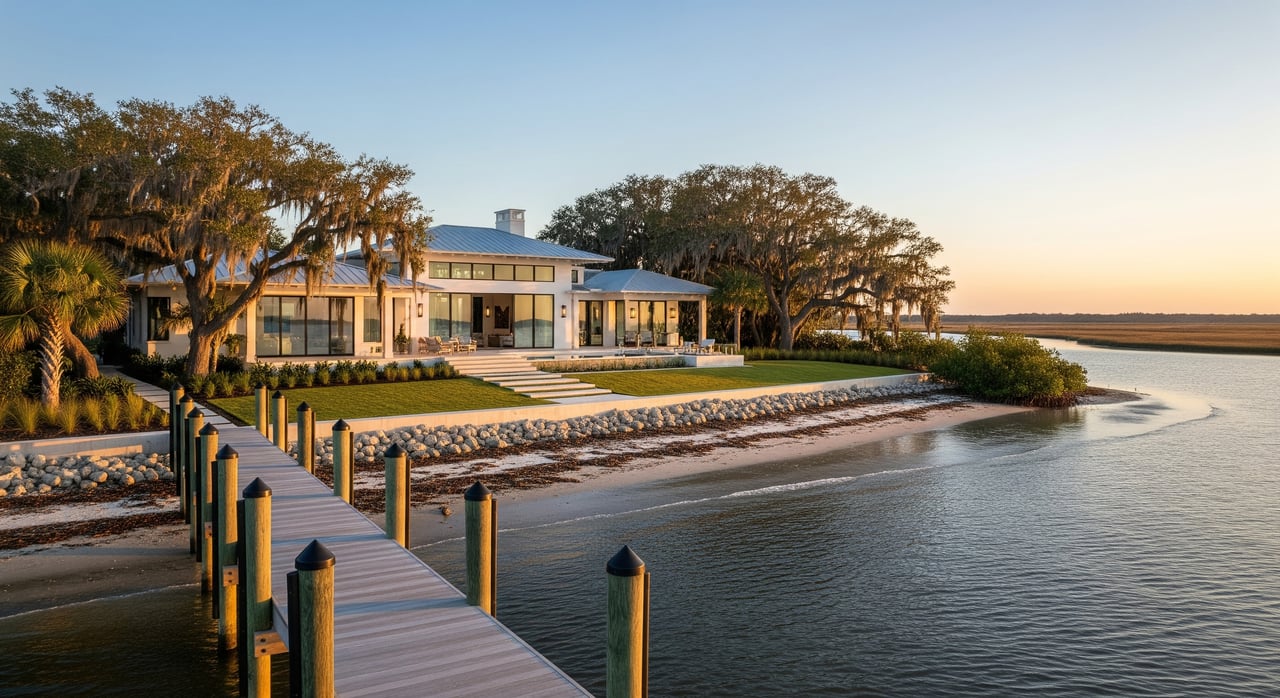
Thinking about buying or selling in Citrus County and not sure what really moves prices here? With springs, rivers, manatee-rich waters, and Gulf access, our market does not behave like a typical inland county. You want clear guidance that cuts through noise and helps you time your move with confidence. In this guide, you’ll learn the key forces shaping home and land values, how different property types perform, what seasonality means for your strategy, and the practical checks that protect your budget. Let’s dive in.
What drives prices in Citrus County
Citrus County sits on Florida’s Nature Coast, and nature is the headline. Springs, rivers, estuaries, and Gulf access create steady demand for waterfront, water-access, and nature-adjacent homes. Limited developable waterfront and conservation-minded rules keep supply tight, which supports higher values near water and springs compared to inland areas.
Big-picture factors matter too. Mortgage rates shape affordability, while Florida’s statewide advantages, such as no state income tax and homestead benefits, continue to attract retirees and relocators. After the rapid price growth of 2020 to 2022, many Florida markets softened as rates rose and inventory ticked up in 2022 to 2024. Locally, outcomes vary by property and micro-location. Turnkey and well-located waterfront options have generally held up better than inland homes that need work.
Inventory mix and price differences
Single-family homes
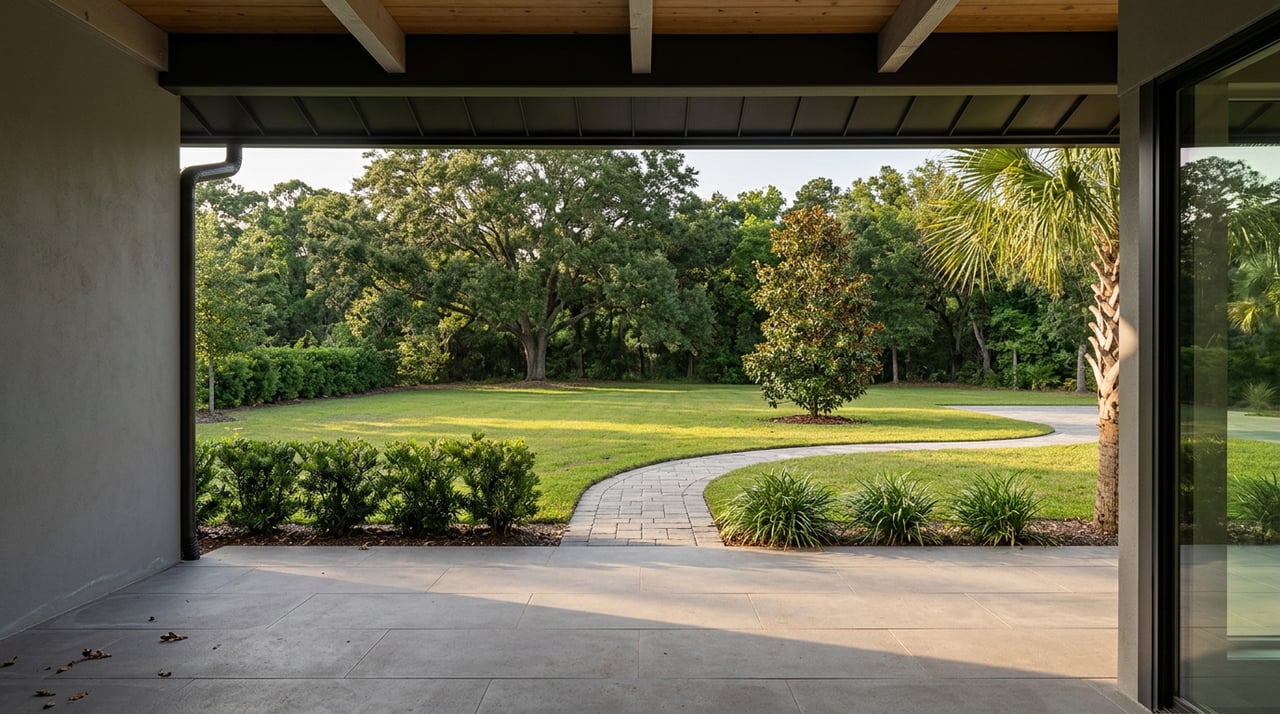
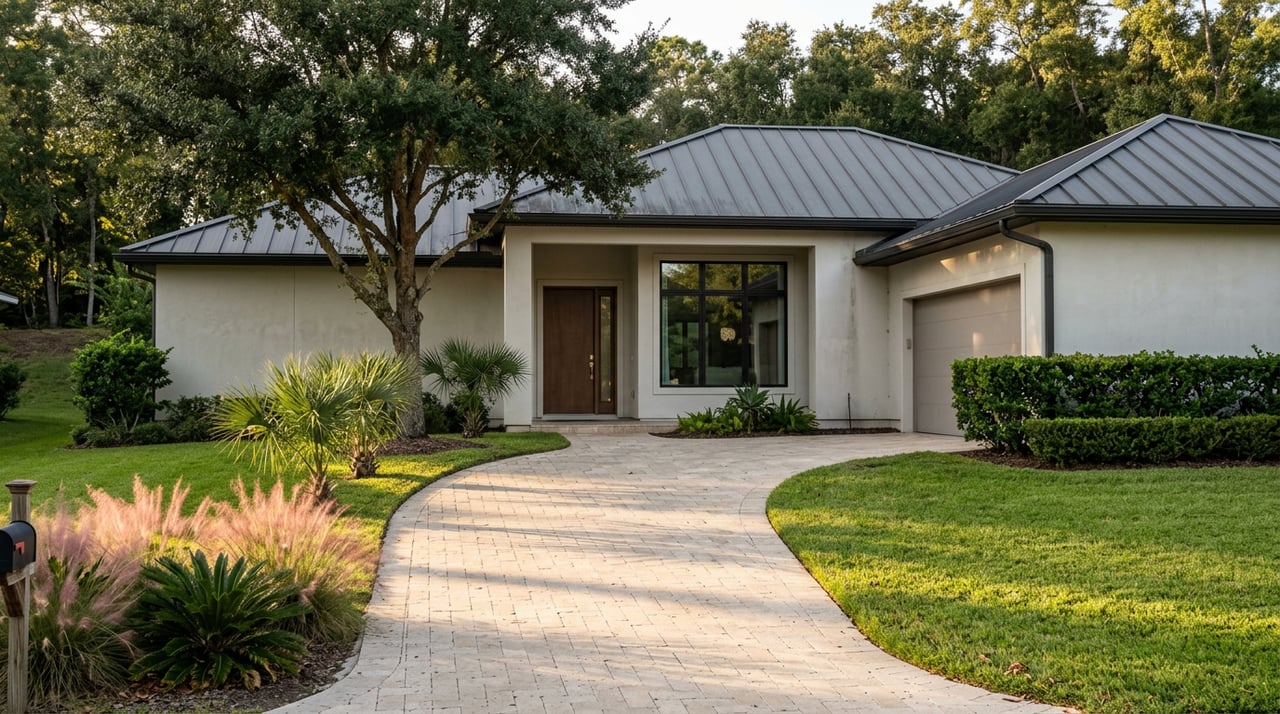
Site-built single-family homes are the dominant choice for owner-occupants and retirees who want conventional financing and low-maintenance living. Condition and location do the heavy lifting on value. Renovated homes and those close to springs or Gulf access in places like Crystal River, Homosassa, and Inverness often sit in the mid to higher tiers for the county.
Manufactured homes
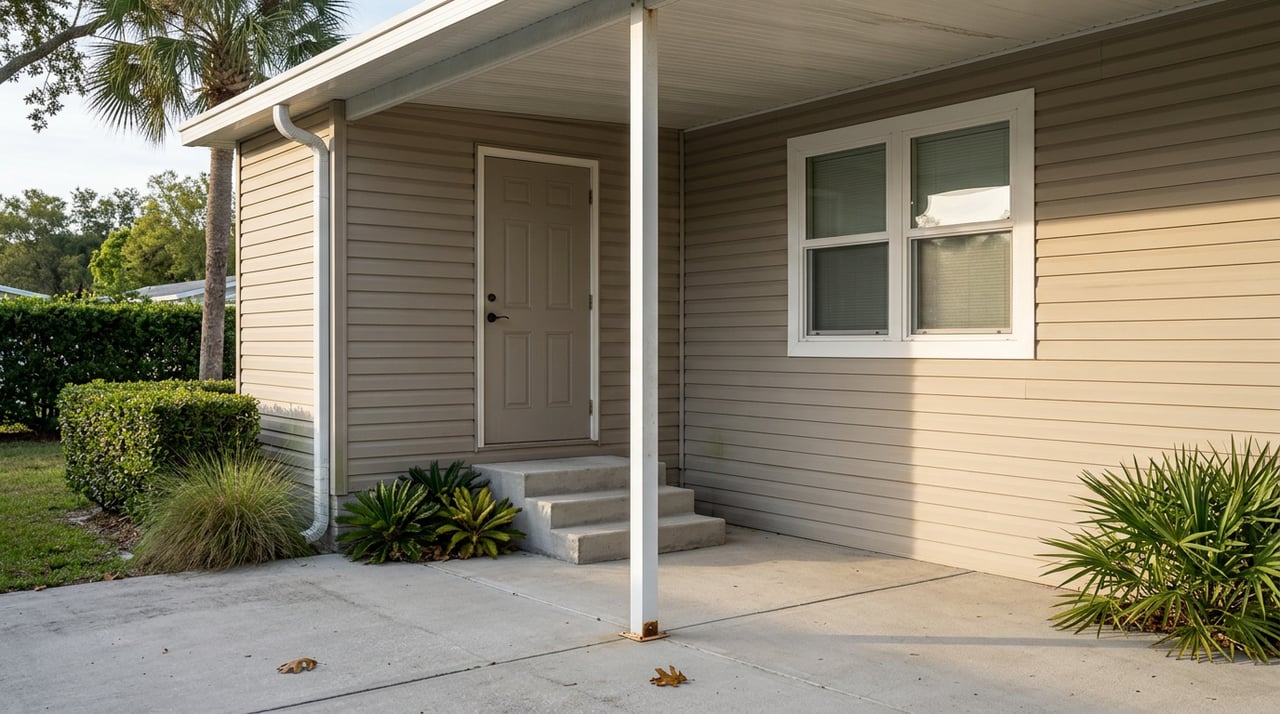
Manufactured homes are a vital, more affordable segment here. They can be in parks or on private land. Financing and insurance differ from site-built homes, which can narrow the buyer pool and influence resale. Historically they sell at lower prices and may appreciate more modestly, but they help first-time buyers and retirees enter the market at accessible price points.
Waterfront and water-access homes
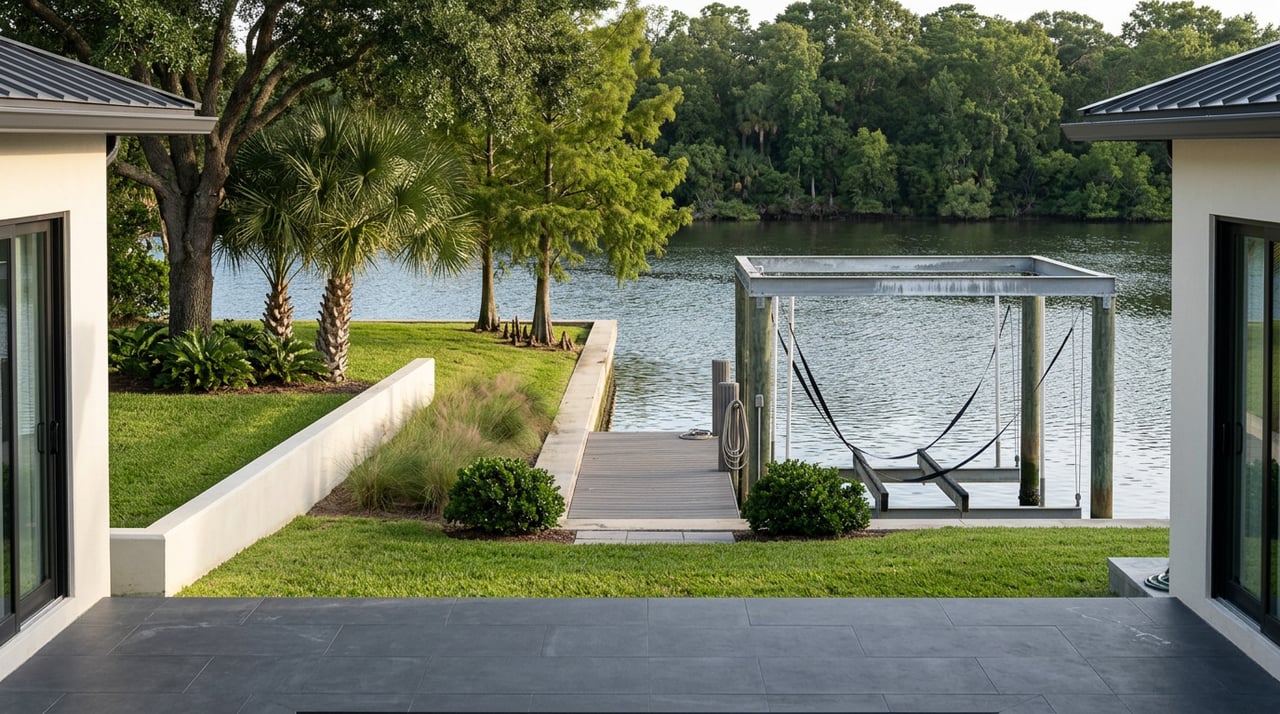
Water moves the market. Limited private parcels, views, docks, and boat access create a meaningful waterfront premium. Values vary by waterbody. Gulf access typically commands the highest premium, while protected river and springfront also draw strong demand. Proximity, navigability, and unobstructed views are key value drivers.
Acreage and rural parcels
Acreage buyers prioritize privacy, small-scale farming, horses, or future building options. Price per acre swings widely based on usable uplands, soils and drainage, well and septic feasibility, and access. Buyers factor in development costs such as clearing, driveway, and utility setup. Parcels with good access, dry ground, and clear build paths command stronger prices than wetland-heavy or hard-to-reach tracts.
Seasonality and who is buying
Retirees and downsizers
Citrus County skews older than Florida overall, and retirees are a major force. They favor single-story, accessible layouts, low HOA obligations, and easy access to healthcare and leisure. Turnkey condition is a strong plus. This group often pays up for water proximity and low-maintenance living.
Relocators and snowbirds
Inbound movers come for Florida’s tax climate, coastal lifestyle at a lower price point than big metros, and remote-work flexibility. Second-home and seasonal buyers increase activity in fall and winter, which can lift showings and help sellers who time listings to that cycle.
Local workforce and first-time buyers
Local buyers are present but often constrained by prices and limited inventory. Manufactured homes and smaller site-built homes tend to be the most attainable. Condition and financing options can make or break a deal for this group.
Timing your move
Showing activity commonly spikes in fall and winter as seasonal residents arrive and out-of-state buyers focus on purchases before colder months up north. Sellers sometimes list in late summer or early fall to capture this wave. Buyers who prefer less competition may explore late spring or summer, knowing inventory and showing counts can be lower.
Local risks and due diligence that affect value
Flood zones and insurance
Coastal and low-lying areas face flood and storm surge risk. Floodplain designations and elevation influence insurance costs and lender requirements. Florida’s property insurance market has been volatile, and wind or coastal exposure can raise premiums and deductibles. Some buyers rely on Citizens Property Insurance, which affects affordability and the buyer pool. Check flood zones early and get quotes before you commit.
Environmental and permitting constraints
Springs protection zones, wetlands, and conservation overlays can limit development or require specific septic solutions and mitigation. Waterfront improvements like docks and seawalls are often subject to county and state permits. For land, budget for surveys, wetland reviews, and feasibility checks. These steps protect your investment and help you avoid delays.
Utilities and access
Many rural parcels are off central sewer and rely on wells and septic. Soil suitability, system age, and capacity matter for usability and financing. Road access and maintenance, whether county or private, also affect mortgageability, insurance, and day-to-day convenience.
Financing differences by property type
Manufactured homes can involve HUD-code distinctions and different financing paths such as chattel loans, which may have higher rates and shorter terms. Land-only purchases often require larger down payments or cash, and lenders look closely at intended use. Plan financing early so you can write strong offers when the right property appears.
Practical steps for buyers
Use this quick plan to focus your search and reduce surprises:
- Define must-haves: waterfront or inland, single-story or multi-level, turnkey or fixer, HOA preferences, and commute or access needs.
- Check flood zone and elevation early and request insurance quotes for target areas or addresses.
- If you want acreage, budget for a survey, septic feasibility or perc test, wetland delineation if needed, and access or right-of-way confirmation.
- Align financing with property type. If you are considering a manufactured home or land-only purchase, speak with lenders who specialize in those products in Citrus County.
- Consider seasonality. If you plan a winter purchase or sale, expect more showings and competition. If you prefer a quieter pace, explore off-peak months.
- Track local data through Citrus County MLS and consult local professionals for current pricing, days on market, and inventory by property type.
Practical steps for sellers
Position your property to capture the strongest buyer pool:
- Lead with amenities. Highlight water access, dockage, proximity to springs or parks, recent updates, and truly turnkey condition.
- De-risk the listing. Share elevation or flood details, recent mitigation, and insurance information when available.
- For manufactured homes, clarify title status and whether the home is classified as real property. Outline financing options to widen the buyer pool.
- Prepare seasonally. Many sellers list in late summer or early fall to meet snowbird demand. If you list off-season, price and marketing should reflect the likely traffic.
- Address deferred maintenance that may turn away retirees and second-home buyers who prefer move-in ready condition.
- Review Florida homestead exemption and property tax portability with the appropriate county resources so you understand ongoing costs and potential savings.
How property type influences your offer or price
Small details add up to big differences in value and strategy:
- Waterfront: View corridors, dock condition, lift capacity, and boat clearance to the Gulf can change value and buyer appeal. Insurance and maintenance costs should be part of your math.
- Inland single-family: Renovations, roof and HVAC ages, and proximity to springs or recreation can pull values up. Older housing stock that needs work may sit longer unless priced right.
- Manufactured homes: Confirm HUD tags, foundation type, title status, and park rules if applicable. These factors affect financing, insurance, and resale.
- Acreage: Usable uplands, soil, septic capacity, utilities, and road access define what you can build and when. Development costs must be netted out when you evaluate price per acre.
Who to have on your team
Local expertise saves time and money here. Consider engaging:
- A real estate agent with Nature Coast waterfront, manufactured-home, and acreage experience.
- Mortgage lenders who do manufactured-home and land financing.
- A local title company and insurance agents for wind and flood guidance.
- Environmental or engineering consultants for acreage and shoreline projects.
- Citrus County Property Appraiser and county planning, zoning, and permitting offices for parcel data, septic and dock permits, and environmental overlays.
Ready to move with confidence?
Whether you are targeting a spring-fed canal home, a turnkey single-story near Crystal River, or a multi-acre parcel for a hobby farm, you deserve a calm, well-orchestrated experience. As a locally rooted, full-service residential and land specialist, Laura Bush, PA brings deep neighborhood knowledge, concierge-level coordination, and marketing that reaches the right buyers. If you want clear guidance tailored to Citrus County and a plan that fits your timeline, reach out to Laura Bush, PA.
FAQs
Why do waterfront homes cost more in Citrus County?
- Limited private waterfront, recreational access to the Gulf and springs, and amenities like views and docks create a premium, and insurance and shoreline upkeep factor into pricing.
Are manufactured homes a smart option locally?
- They can offer affordability and access to the market, but financing, insurance, and resale differ from site-built homes. Confirm title status and lender options early.
How does seasonality affect my strategy as a buyer or seller?
- Fall and winter bring more showings from out-of-state and seasonal buyers. Sellers often list to catch that demand, while buyers should be ready for more competition.
What due diligence should I do on land or acreage?
- Order a survey, check septic feasibility or perc tests, evaluate wetlands and access, and confirm permitting constraints and utility connections before you commit.
Should I worry about storms and flood insurance near the coast?
- Yes. Flood zones and elevation drive insurance requirements and costs. Review maps and secure quotes early so you understand total ownership expenses.