Thinking about buying in Citrus County and wondering whether an HOA community or a no‑HOA property fits your lifestyle? You are not alone. Many buyers here weigh community amenities and tidy streets against the desire for space, flexibility, and fewer rules. In this guide, you will learn how HOAs work in Florida, what day‑to‑day life looks like in each option, how costs and resale can differ, and exactly what to review before you write an offer. Let’s dive in.
HOA vs no HOA: the basics
In Florida, a homeowners association or property owners association enforces recorded covenants, conditions, and restrictions, plus bylaws and community rules. These documents control things like exterior changes, parking, lawn standards, and access to amenities. No‑HOA properties are not governed by private association rules, although county codes, zoning, and building permits still apply.
Florida law outlines how associations operate, including board powers, record access, assessments, and collection of unpaid dues. Condominium and cooperative laws are separate from single‑family HOAs. You will also see Community Development Districts in Florida. A CDD is a special district that finances and maintains infrastructure and bills its assessments on your property tax bill. CDDs are separate from HOAs.
County and municipal rules still apply either way. In unincorporated Citrus County, county code enforcement and zoning cover property maintenance, setbacks, floodplain and septic rules, and permitting.
What you will find in Citrus County
You will encounter a wide range of neighborhoods and property types:
- Large master‑planned or deed‑restricted communities with POAs, such as Sugarmill Woods, that maintain common areas and amenities under a robust set of rules.
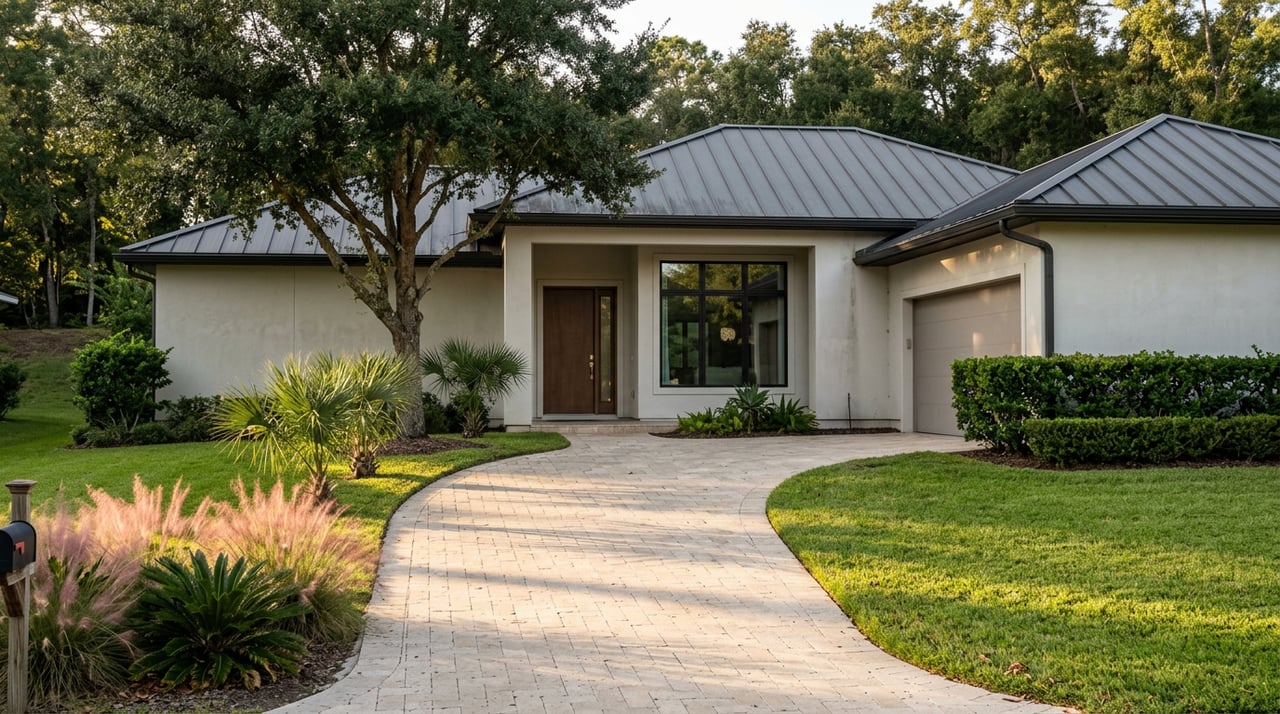
- Smaller subdivision HOAs with limited architectural guidelines and basic standards for yards, parking, or exterior changes.
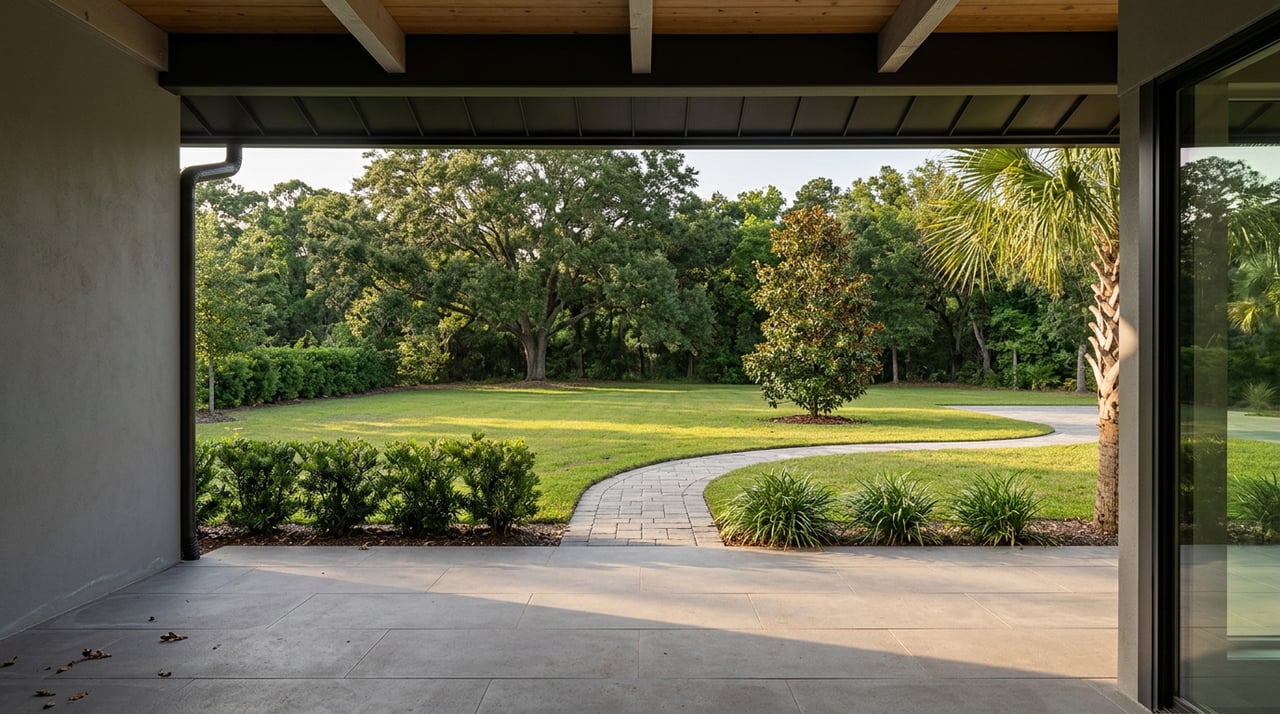
- Rural acreage and single‑family homes with no HOA, where you may have wells and septic systems and more autonomy to use your land.
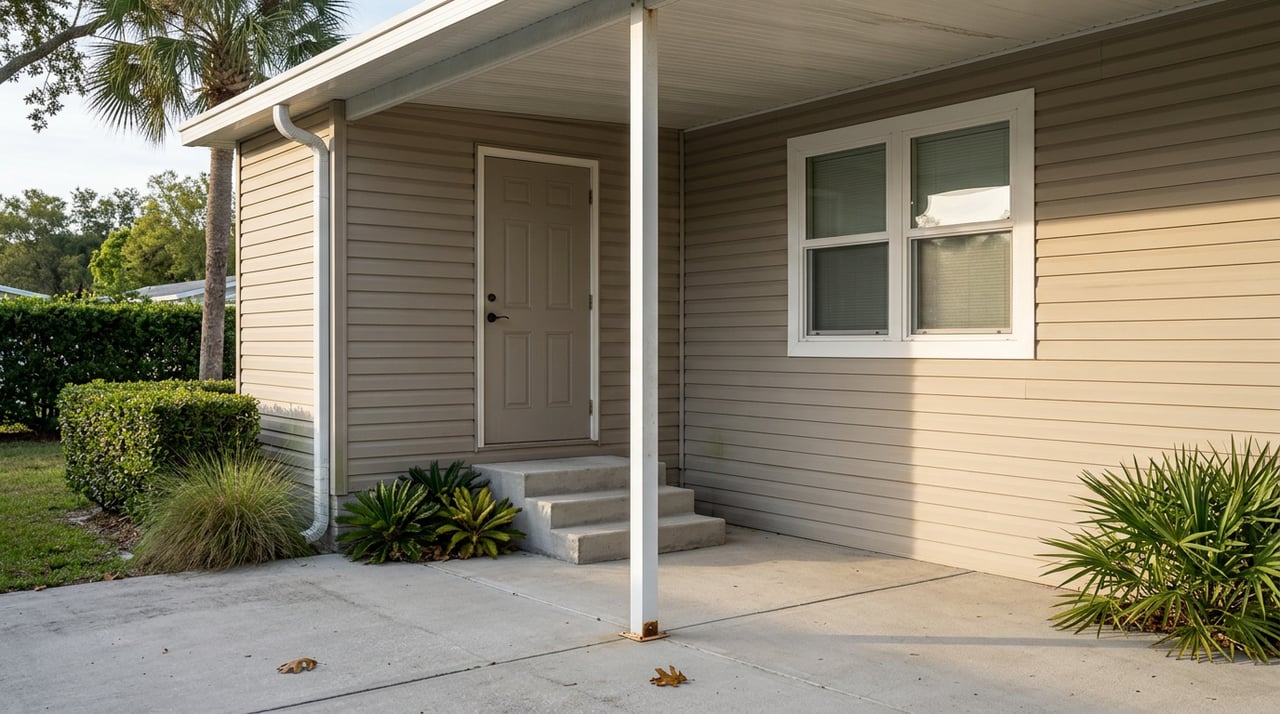
- Mobile home communities and manufactured‑home parks with their own park rules and lot rents, which are different from deed‑restricted subdivisions.
- Parcels within CDDs where assessments appear on the tax bill, sometimes alongside a separate HOA.
Citrus County attracts many retirees and seasonal residents who value low‑maintenance living and social amenities, which can favor HOA communities. Buyers who prioritize privacy, room for hobby vehicles, or agricultural uses often look to no‑HOA areas.
Day‑to‑day differences that matter
Rules and enforcement
- HOAs usually regulate exterior paint, roofing materials, fences, landscaping, mailbox style, driveway parking, signage, and visible storage. Fines and violation letters are common enforcement tools, and unpaid assessments can lead to liens and other actions.
- No‑HOA homes have fewer private restrictions, but county codes still apply for nuisances and permitting.
Maintenance and services
- In HOAs, your dues help maintain common areas like private roads, landscaping, pools, clubhouses, and sometimes exterior elements in certain product types. Gated entries and common‑area insurance are typical.
- In no‑HOA areas, you manage your own lawn care and any private road or septic maintenance. You choose the vendors and service level.
Amenities and lifestyle
- HOA communities may offer pools, fitness rooms, golf, and social activities. If you want built‑in community events or onsite recreation, this can be a strong perk.
- No‑HOA living leans toward privacy and flexibility. You trade shared amenities for autonomy and open use of your space within county rules.
Rentals and short‑term rentals
- Many HOAs restrict leasing, set minimum lease terms, require registration, or limit frequency. Some prohibit short‑term rentals altogether. This is critical if you plan to rent seasonally or invest.
- Without an HOA, you follow county and municipal rules for rentals. Citrus County has permitting and code requirements for certain rental operations, so confirm what applies to your address.
Pets, landscaping, and exterior changes
- HOAs often limit pet types or counts and require architectural approval for exterior changes and outbuildings. Landscaping standards may include approved plant lists or lawn height.
- No‑HOA owners usually have more freedom, but animal control and state or county laws still apply.
Parking, boats, and RVs
- Many HOAs restrict street parking and visible storage of boats or RVs. If you have an RV or work vehicle, check rules upfront.
- No‑HOA neighborhoods are often more flexible, subject to zoning and public right‑of‑way rules.
Costs, assessments, and resale
HOA dues and special assessments
- HOA dues vary widely, from modest annual amounts to higher monthly fees for amenity‑rich communities. Dues can be billed monthly, quarterly, or annually.
- Associations can levy special assessments for capital projects or unplanned repairs. Review the budget, reserve studies, and the history of assessments to spot patterns.
CDD assessments on tax bills
- If a home is inside a CDD, you will see a line item on the property tax bill. This is separate from any HOA dues and reflects infrastructure financing and maintenance.
Insurance and utilities
- HOAs typically insure common areas, and in some product types a master policy may cover building exteriors. Most single‑family owners still carry their own homeowner’s policy.
- No‑HOA owners carry full responsibility for insuring their structures and maintaining wells, septic systems, or private roads where applicable.
Financing and lender considerations
- Some loans, including VA and FHA, may review HOA financial health, reserve funding, and litigation exposure. Heavy assessments or poor reserves can affect financing.
- If you anticipate a low‑down‑payment or government‑backed loan, make HOA financials part of your early review.
Resale effects
- HOAs can help preserve a consistent neighborhood appearance, which may support values for certain buyers. Rules can also limit your buyer pool, especially investors or owners with boats and RVs.
- No‑HOA properties appeal to buyers seeking space and autonomy and can sell quickly when privacy and larger lots are in demand. In Citrus County, there is steady demand for both, depending on lifestyle goals.
How to compare homes: a Citrus County checklist
Use this checklist to keep your search organized and avoid surprises.
For HOA or deed‑restricted properties
- Request and review:
- Recorded Declaration or CC&Rs, bylaws, and rules and regulations.
- Most recent budget and any reserve study.
- Current assessment amounts and billing schedule.
- Board meeting minutes for the last 12 to 24 months.
- Association insurance policies and coverage summaries.
- Notices of pending or recent special assessments and history of dues increases.
- Litigation disclosures or pending lawsuits.
- Rental, pet, parking, boat and RV rules, plus architectural review procedures.
- Management company and board contact information.
- Ask the listing agent or seller:
- Is the property inside a CDD, and what was last year’s CDD assessment amount?
- Are there rental restrictions or minimum lease durations?
- Have dues increased or special assessments been levied recently?
- Are there known fines or compliance disputes on this property?
- Are roads private, and who maintains them?
For no‑HOA properties
- Check for any recorded deed or plat restrictions even without an active HOA.
- Confirm water and sewer sources, including well and septic status and maintenance needs.
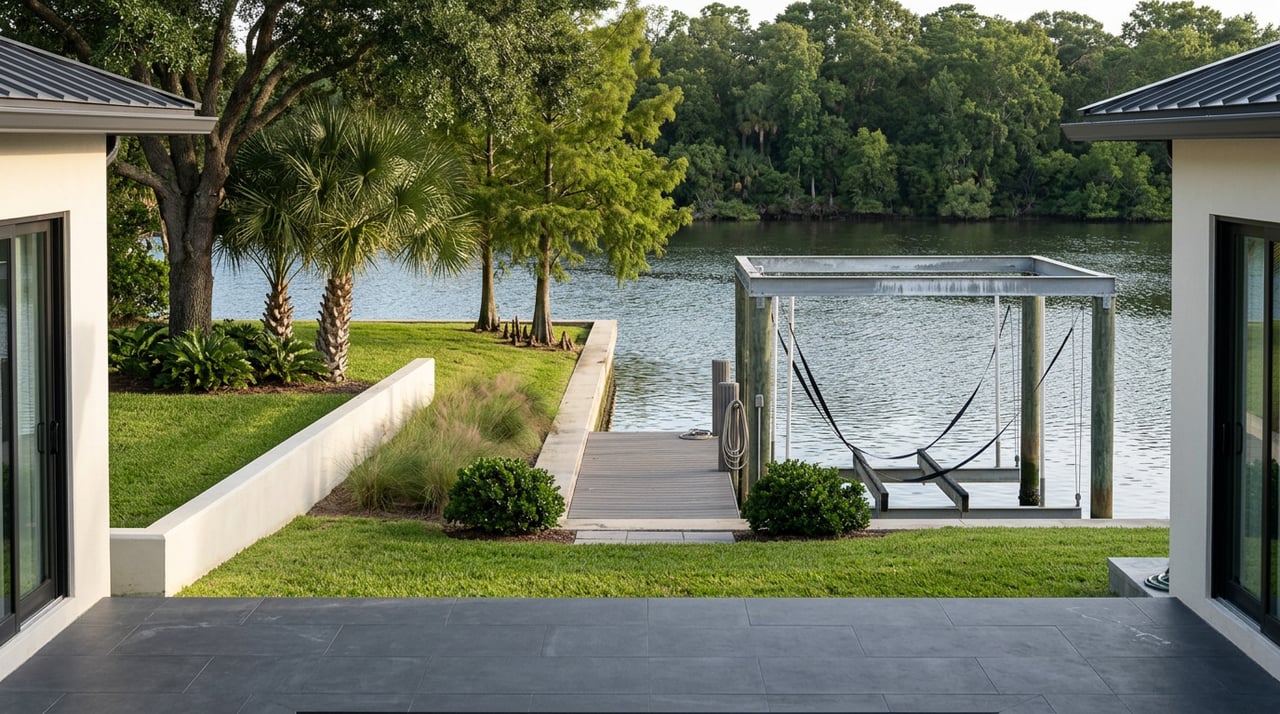
- Ask the county about zoning, nearby planned development, and whether the property is in a flood zone or coastal or marsh area that could affect insurance.
Inspection and due diligence for both types
- Order a full home inspection, termite and wood‑destroying organism inspection, and septic inspection if applicable.
- Review a current survey and title search for easements, covenants, or liens.
- Before closing, obtain an HOA or POA estoppel letter that shows current dues, outstanding assessments, and delinquencies.
Red flags and risk management
Be alert for issues that can increase your costs or limit options later.
- Unpaid assessments and fee disputes. Associations in Florida can place liens and, in many cases, foreclose for unpaid amounts.
- Underfunded reserves or frequent special assessments. These can signal major repairs ahead.
- Ongoing litigation or planned capital projects. Both can affect insurability and financing and may lead to new assessments.
- Poor transparency. Delays or gaps in records can be a warning sign. Ask for documents early in your review window.
Which path fits your lifestyle
Ask yourself a few practical questions to narrow your search.
- Do you want social amenities like pools, clubhouses, or organized activities managed by a community? An HOA or POA community may be a fit.
- Do you need space for a boat, RV, work vehicle, or workshop? A no‑HOA property can offer more flexibility, subject to zoning.
- Is low‑maintenance living a priority when you travel seasonally? HOA neighborhoods often manage landscaping and common areas for a consistent look.
- Are you planning seasonal rentals? Carefully review HOA rental policies and local rules, or consider areas without HOA restrictions.
The best choice depends on how you want to live day to day, how you plan to use the property, and how much structure or flexibility you want.
Get local help, make a confident choice
You do not have to sort this out alone. With deep Citrus County roots and a full‑service approach, we can help you compare communities, spot hidden costs like CDDs and special assessments, and line up inspections, title, and insurance so your closing is smooth. If you are considering Sugarmill Woods or a private acreage property, we will help you weigh rules, maintenance, rental options, and resale potential with clear, local insight.
Ready to find the right fit for your lifestyle? Connect with Laura Bush, PA for a neighborly, step‑by‑step plan tailored to Citrus County.
FAQs
Do Citrus County HOAs allow short‑term rentals?
- Many HOAs limit or prohibit short‑term rentals and set minimum lease terms, so review rental clauses and registration requirements before you buy.
Can a Florida HOA foreclose if I miss dues?
- Associations in Florida can place liens and, in many circumstances, pursue foreclosure for unpaid assessments and related charges.
What is a CDD and how is it different from an HOA?
- A CDD is a special district that finances and maintains infrastructure and charges assessments on your tax bill, which is separate from any HOA dues.
Are HOA dues tax‑deductible for homeowners?
- HOA dues for a primary residence are generally not deductible as personal expenses, and rules can differ for rentals, so consult a tax professional.
How much should I budget for HOA or CDD fees?
- Costs vary by community and district, so request the HOA budget and reserve study, confirm current dues, and review last year’s property tax bill for any CDD assessment.
Do HOAs guarantee higher resale value?
- HOAs can support neighborhood standards that some buyers value, but rules can narrow the buyer pool, so local demand remains the main driver of resale.