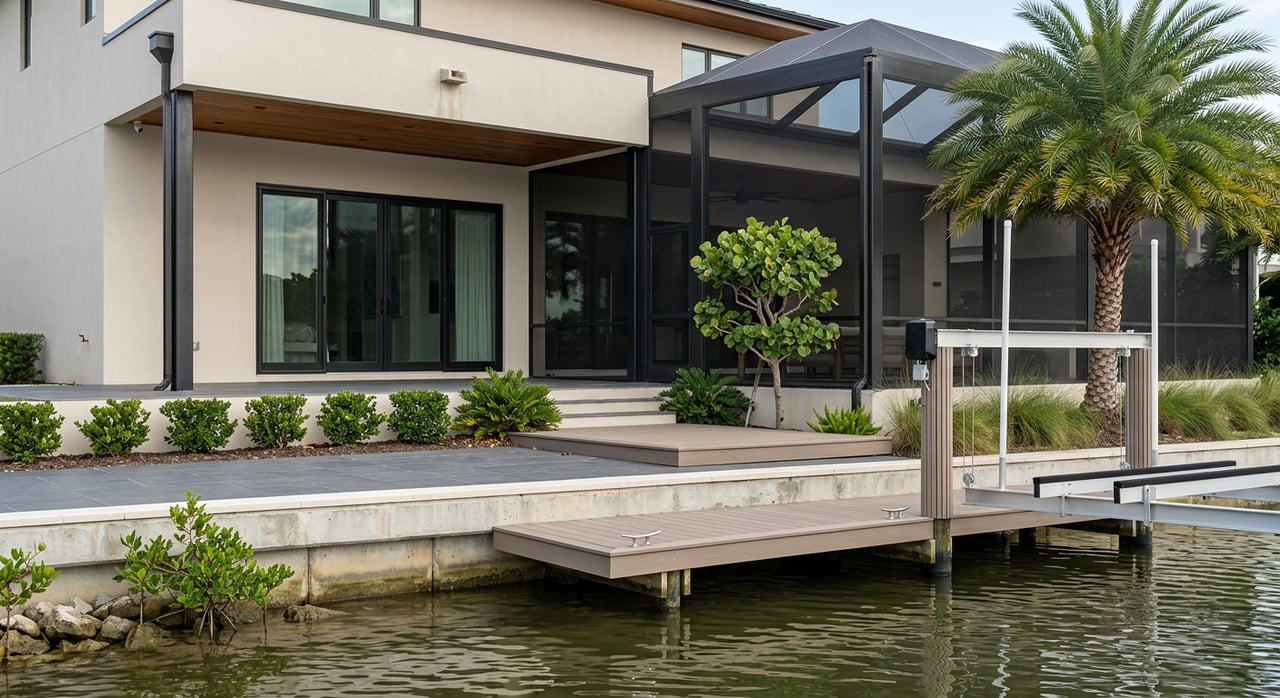
If you are dreaming about a home on the water in Homosassa, the big question is not just river or canal. It is whether the property truly fits how you want to use the water every day. Between boat access, tides, flood zones, dock rules, and manatee-safe boating areas, a waterfront home here can look perfect in photos but feel very different in real life. This guide will help you compare Homosassa riverfront and canal-front properties with more confidence so you can focus on what works for your lifestyle. Let’s dive in.
Why Homosassa Waterfront Is Different
Homosassa is shaped by a living spring and river system, not just a shoreline. According to Florida State Parks, the Homosassa Springs group discharges about 65 million gallons of water daily, creating the headwaters of the Homosassa River before it flows roughly 8 miles west to the Gulf.
That matters when you shop for waterfront property because the water here affects daily life in a real way. Your lot, dock, boating route, and even how protected your boat feels can all depend on how that spring-fed system connects to the river and canals.
Riverfront vs Canal-Front Basics
At a high level, riverfront homes and canal-front homes can offer two different experiences. Neither is automatically better. The right fit depends on how you plan to boat, fish, kayak, entertain, or simply enjoy the view.
Riverfront homes often give you a more direct connection to the main channel. Canal-front homes can feel more sheltered and private, but they usually require a closer look at route depth, clearances, and turning room.
What Riverfront Homes Often Offer
Riverfront properties are usually the closest to the main boating path. That can mean faster access to the channel and a stronger sense of being part of Homosassa’s waterfront setting.
They are also the homes most likely to revolve around marine improvements like docks, lifts, catwalks, boathouses, seawalls, and other pile-supported structures. Citrus County permit records show these kinds of features are common on Homosassa waterfront parcels, and they often involve layered review requirements and permit conditions.
What Canal-Front Homes Often Offer
Canal-front homes often appeal to buyers who want calmer day-to-day mooring and a more protected backyard feel. That can be especially attractive if you use a smaller boat, kayak, or simply want a quieter waterside setting.
The tradeoff is that canal access may be more sensitive to shallow spots, narrow cuts, overhead clearances, and route-specific conditions than listing photos suggest. In Homosassa, the route from the dock to open water matters just as much as the lot itself.
Check the Actual Boat Route
One of the smartest things you can do when buying on the Homosassa River or canals is to stop thinking in straight lines on a map. Instead, follow the route your boat would actually take from the property to open water.
The NOAA Coast Pilot notes that the Homosassa River entrance is marked by lights, buoys, and daybeacons, but it also warns of shoals on either side of the channel and advises extreme care through Hell Gate, a narrow section of the river. That means navigation conditions are a practical buying issue, not just a boating detail.
Ask About Depth, Width, and Turns
A home may have a dock and still not fit your boat comfortably. If the route includes shallow canals, tight turns, or narrow passages, your everyday boating experience can change a lot.
This is why local waterfront buyers should ask where the boat goes after it leaves the backyard. A protected canal may sound ideal, but if the run out is tricky, you need to know that before you close.
Check Overhead Clearance
Route clearance is another issue buyers sometimes miss. NOAA reports that overhead power cables crossing the Homosassa River below Homosassa have a least clearance of 45 feet, which may be fine for many boats but still needs to be matched to your specific vessel and route.
A property can have beautiful water access and still create a problem farther downstream. If your boat has height concerns, route clearance should be part of your showing checklist.
Tides Still Matter in Homosassa
Homosassa does not have a dramatic tide swing compared with some other waterfront areas, but tides still affect usability. NOAA tide datums for Tuckers Island on the Homosassa River show a mean tidal range of 1.36 feet, with mean high water at 1.60 feet above MLLW, according to NOAA Tides & Currents.
That may sound modest, but it can make a real difference in shallow canal depth, lift operation, and how comfortably your boat moves in and out. If you are buying canal-front, especially, ask how the property functions at both higher and lower tide conditions.
Flood Zones Are Parcel Specific
One of the biggest mistakes buyers make is assuming all Homosassa waterfront property falls into the same flood category. It does not. Flood risk in this area can vary from parcel to parcel, even on nearby streets.
FEMA defines a Special Flood Hazard Area as a high-risk zone shown on Flood Insurance Rate Maps and states that mandatory flood insurance purchase requirements apply there. FEMA also notes that flood insurance is separate from homeowners insurance, and most homeowners policies do not cover flood damage.
Verify Before You Assume
Your best move is to verify the property through FEMA’s mapping tools and compare that result with local parcel information. The research for Homosassa shows Citrus County permit records include nearby properties with designations such as AE, VE/CAZ, and X/AE-X, which is a reminder that location near the water does not automatically tell the whole story.
A home close to the river is not automatically in the highest-risk category, and a home farther inland is not automatically flood-free. Ask for the flood zone, FIRM panel, base flood elevation, design-flood elevation, and any available elevation certificate before you make assumptions about cost or risk.
Understand the Insurance Impact
Flood insurance can affect your monthly carrying costs in a meaningful way. If a lender requires a separate flood policy, that cost needs to be part of your budget from the beginning.
The right question is not just whether flood insurance is required. It is also how that requirement fits into your long-term ownership plans, especially if you are comparing multiple waterfront homes with different elevations or flood designations.
Docks, Lifts, and Seawalls Need a Closer Look
For many buyers, the home is only half the story. The real value may be in the dock, lift, seawall, or boathouse that makes waterfront living easier.
But in Homosassa, those features need to be checked carefully. Citrus County permit records show marine structures often require state and federal approvals, and local reviews may limit how far a structure can extend over submerged land.
Waterfront Does Not Guarantee Dock Flexibility
A waterfront lot may not allow the dock layout you expected. County conditions in Homosassa records state that a dock or lift may not extend more than 200 feet over sovereignty or submerged land or more than 25% of the width of the waterbody, whichever is less.
That means a property can absolutely be waterfront while still limiting the dock size or setup you had in mind. If boating is central to your search, confirm whether the current improvements are permitted, grandfathered, or likely to need upgrades.
Manatees and Daily Boating Rules
In Homosassa, wildlife is part of the waterfront lifestyle. It is one of the reasons buyers love the area, but it also shapes how you use the water.
The Florida Fish and Wildlife Conservation Commission notes that manatees use rivers, bays, canals, estuaries, and coastal waters, and the headspring area in Homosassa serves as a warm-water refuge. In everyday terms, that means slow-speed zones, wake awareness, and careful boating are part of normal waterfront ownership here.
Questions to Bring to a Showing
If you are touring riverfront or canal-front homes in Homosassa, bring a practical checklist. It can save you time and help you compare properties more clearly.
- What is the exact route from the dock to open water?
- Does the route involve shallow spots, a narrow cut, or special care areas such as Hell Gate?
- Are there any bridges, overhead cables, or clearance limits along the route?
- How does the property function at different tide levels?
- What is the parcel’s flood zone, base flood elevation, and elevation-certificate status?
- Is flood insurance likely to be required by the lender?
- Are the dock, lift, boathouse, or seawall permitted and in usable condition?
- Are there boating restrictions, slow-speed areas, or manatee protection zones that affect daily use?
A Simple Way to Compare Properties
If you are torn between riverfront and canal-front, it helps to compare each home through the same lens. Focus on function first, then lifestyle.
| Factor | Riverfront Home | Canal-Front Home |
|---|---|---|
| Water experience | Direct and open | More sheltered and private |
| Channel access | Often quicker | Often more route-dependent |
| Mooring conditions | More exposed in some settings | Often calmer day to day |
| Route concerns | Channel navigation matters | Depth, turns, and clearance often matter more |
| Dock expectations | Strong boating focus | Needs close permit and usability review |
This kind of side-by-side review can keep you from overvaluing a view while missing a practical limitation. A beautiful lot works best when it also fits your boat, your budget, and your plans for using the property.
The Bottom Line for Homosassa Buyers
Buying on the Homosassa River or canals is less about checking a box that says “waterfront” and more about understanding how a property works in real life. Boat route, tidal depth, flood designation, insurance costs, dock permitting, and wildlife-related boating rules all shape the ownership experience.
If you want help comparing Homosassa waterfront options with a local, practical eye, connect with Laura Bush, PA. You will get guidance grounded in Citrus County knowledge, clear communication, and the kind of detail-focused support that makes a waterfront purchase feel much more manageable.
FAQs
What should you check before buying a canal-front home in Homosassa?
- You should verify the exact boat route, water depth, tidal impact, overhead clearance, dock usability, and parcel flood zone before moving forward.
What makes Homosassa riverfront property different from other waterfront areas?
- Homosassa is built around a spring-fed river system, with the Homosassa Springs group discharging about 65 million gallons daily and shaping boating, wildlife, and waterfront lot use.
Does a Homosassa waterfront home always require flood insurance?
- No. Flood insurance requirements depend on the parcel’s mapped flood zone and lender rules, so you should verify the property through FEMA and local parcel records.
Are docks and boat lifts on Homosassa waterfront lots automatically allowed?
- No. Existing or future docks and lifts may be subject to local, state, and federal permitting rules, including limits on extension over submerged land.
Do tides matter when buying on the Homosassa River or canals?
- Yes. Even with a modest mean tidal range of 1.36 feet, tides can affect shallow canals, boat draft, and lift use.
Are manatee-related boating rules part of daily life in Homosassa?
- Yes. Because manatees use Homosassa’s rivers, canals, and spring areas, buyers should expect slow-speed zones and careful boating practices to be part of normal waterfront ownership.