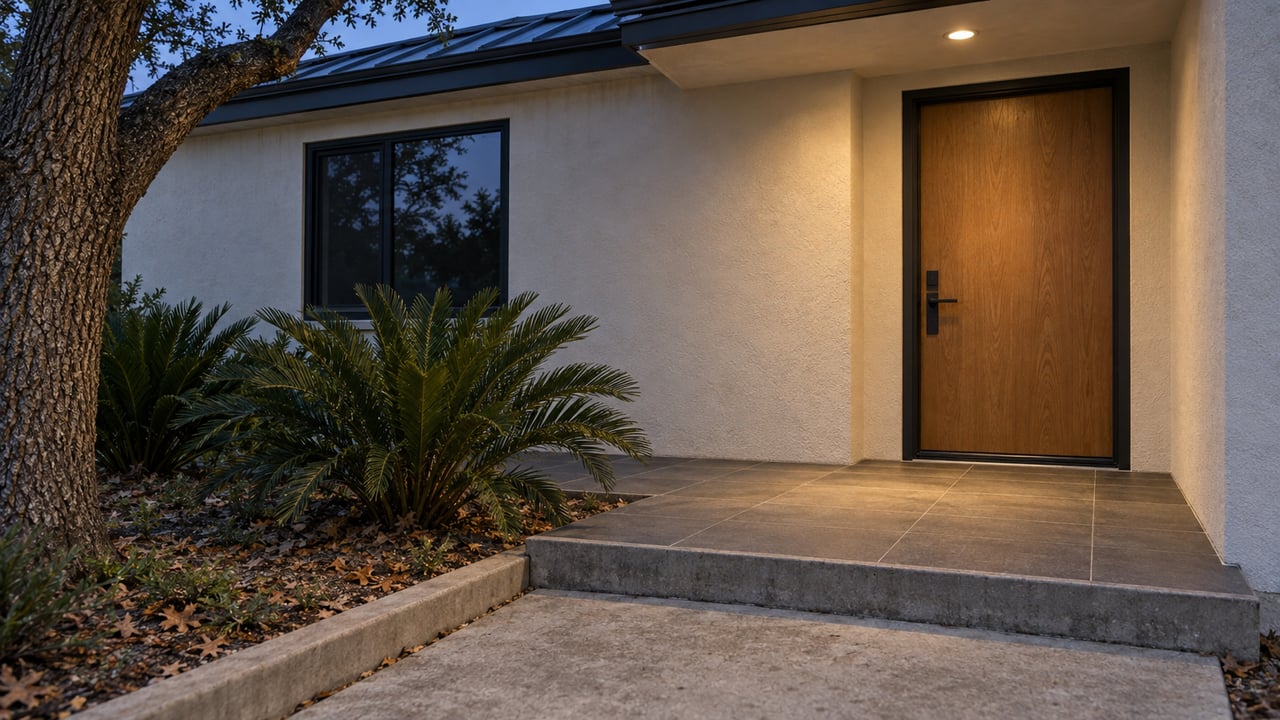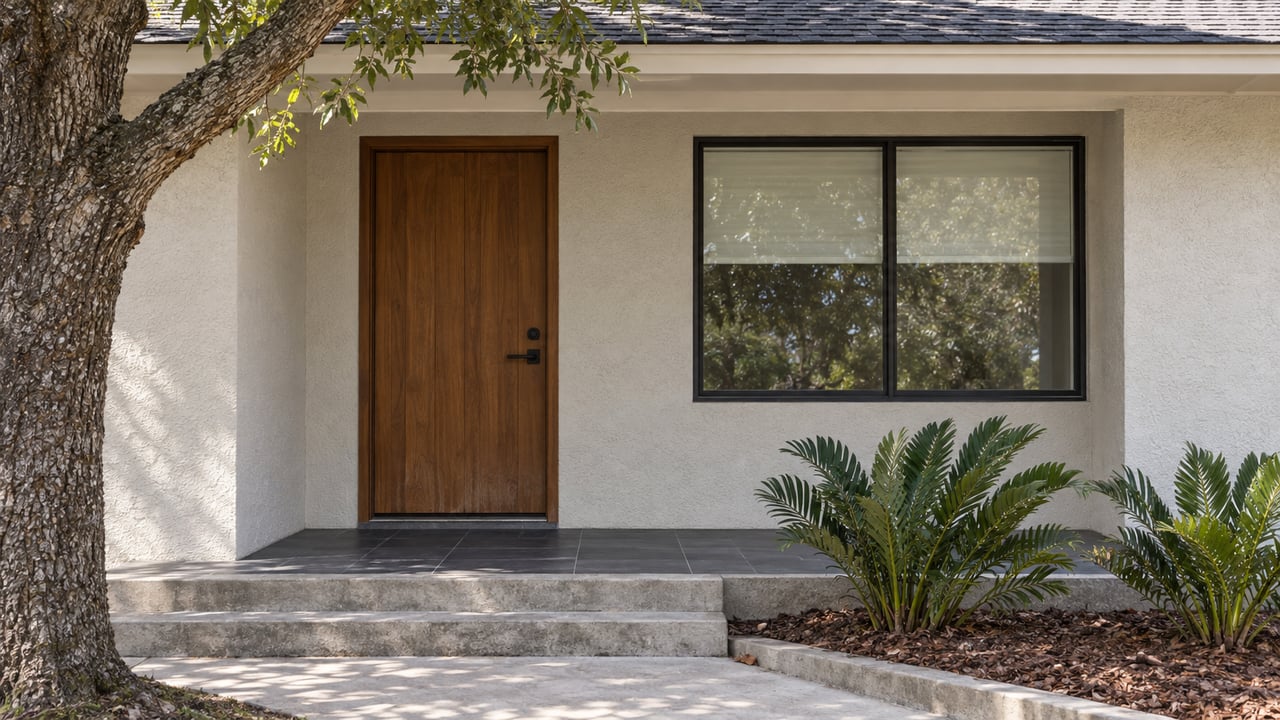
Planning a move from another state to Citrus County can feel simple at first, until the details start stacking up. You are not just choosing a house. You are also sorting out flood maps, utility setups, timelines, taxes, movers, mail, and sometimes school enrollment from miles away. The good news is that with the right plan, your move to the 34446 area can be far more manageable and a lot less stressful. Let’s walk through the steps that matter most.
Start With Property Research
If you are house hunting from afar, your first job is to learn the property before you book a flight. In Homosassa Springs and the surrounding 34446 area, parcel-level details can affect both your budget and your timeline.
A strong place to begin is the Citrus County GIS map system. It can help you review parcel boundaries, land use, zoning, utility information, flood-zone data, and other property details before you ever see a home in person. That makes it easier to narrow your list and focus your time on the homes or land that fit your goals.
Check Sewer, Septic, and Well Details
One of the biggest surprises for out-of-state buyers is that utility setups can vary from property to property. Some homes may be connected to public sewer, while others may rely on septic systems and private wells.
The county’s address lookup tool can help you identify basic utility information for a parcel. If a property is not on public sewer, the county notes that septic requirements should be confirmed with the health department. This is worth checking early because septic and well questions can affect inspection timing, repair planning, and overall costs.
Review Flood Risk Early
Flood review should happen before you finalize an offer, not after closing. Citrus County provides local flood-zone and evacuation information, and FEMA also offers the official public source for flood-hazard maps.
You can use FEMA’s Flood Map Service Center along with local county mapping tools to get a clearer picture of a property’s flood status. FEMA also notes that there is no true no-risk zone, so it is smart to look at this carefully no matter where the property sits.
Verify School Zoning Directly
If school assignment matters for your move, verify it with the district instead of relying on listing remarks or assumptions. Citrus County Schools provides a Find Zoned School tool and a district enrollment process for new students.
That extra step can save time and help you plan your move-in timeline with better information. It is especially helpful if you are comparing more than one area within Citrus County.
Plan One Focused House-Hunting Trip
When you are moving from out of state, every trip should have a purpose. In many cases, the most useful visit is not a casual browse. It is a focused due-diligence trip.
Try to line up home tours, an inspection window, measurements, and any vendor visits you may need while you are in town. That approach helps you make the most of your travel budget and gives you a better feel for the property before you commit.
Use Your Visit for More Than Showings
A quick walkthrough is helpful, but a strategic visit can do more. If possible, use your trip to confirm the feel of the property, check access points, review any visible drainage concerns, and gather estimates if the home or land may need work.
This matters even more for older homes, vacant land, waterfront properties, or homes with septic, well, or unique zoning questions. In Citrus County, those details can change the total cost of ownership in a meaningful way.
Structure the Offer for Long-Distance Reality
Out-of-state buyers need enough time to review the right information before all terms are locked in. In Citrus County, practical contingency windows can matter because flood zones, utility setups, and parcel details are not always the same from one property to the next.
Your contract should allow room to review inspection results and vendor quotes where needed. That is especially important if you are buying land, an older home, or a property with special site conditions.
Keep Your Inspection Timeline Realistic
If you are coordinating from another state, small delays can have a bigger impact. Inspection scheduling, septic review, well testing guidance, and contractor availability may all affect your next steps.
A realistic timeline gives you space to make decisions without rushing. It also lowers the odds of finding out key property details too late in the process.
Prepare for a Remote Closing
One of the biggest questions long-distance buyers ask is whether they need to be in Florida to close. In some cases, the answer is no.
Florida authorizes remote online notarization through its legal and administrative framework. You can review the state’s remote online notary information to understand how the process works. In practice, whether your closing can be handled remotely still depends on the title company, lender, notary workflow, and loan type.
Confirm the Closing Format Early
Do not wait until the last week to ask how documents will be signed. If you expect to close from another state, confirm that process early with everyone involved in the transaction.
That simple step can help you avoid last-minute travel changes, signing delays, or document issues when the closing date gets close.
Build Your Florida Tax and Residency Plan
A move is not finished at closing. If the Citrus County property will be your primary residence, your next step is to get your residency and tax paperwork lined up quickly.
This is where many buyers leave money or time on the table. A little planning here can make your transition smoother.
Know the Homestead Deadline
The Citrus County Property Appraiser says the homestead exemption can reduce taxable value by up to $50,000. The filing deadline is March 1 in the year you are applying.
The county also says applicants generally need to own the property and occupy it as their permanent residence as of January 1, along with documents such as a Florida driver license or ID, vehicle registration, voter registration, and Social Security information. If this will be your primary home, it is smart to prepare those items as early as possible.
Understand Assessment Caps
If you qualify for homestead, Florida’s Save Our Homes rules limit annual assessed-value increases to 3% or the Consumer Price Index, whichever is lower. The county also notes that many non-homestead properties are subject to a 10% cap on annual assessed-value growth.
You can review these rules on the county’s assessment caps page. This is especially relevant if you are deciding between a primary residence, a second home, vacant land, or an investment purchase.
Update Address Records Promptly
The USPS Change of Address process can be completed online or in person, and USPS says requests can be submitted up to 90 days before the move and up to 30 days after. Keeping your mailing address current helps the rest of your move fall into place.
It is also wise to align your mailing address, driver’s license, vehicle registration, voter registration, and homestead paperwork promptly. That reduces the chance of delays once you are settling into your new home.
Coordinate Movers and Timing
A good moving plan is not just about price. It is about choosing the right company for your route, your timeline, and your level of risk.
For interstate moves, the FMCSA mover guidance says household-goods movers and brokers must be registered with the federal government and have a U.S. DOT number. Checking registration and complaint history is one of the easiest ways to protect yourself before signing a contract.
Match the Mover to the Route
This matters because a company may market broadly but not be properly set up for your exact type of move. If part of your move is within Florida only, different rules may apply than for a true interstate relocation.
Verifying authority for your route can help you avoid delays, confusion, or unexpected issues during pickup and delivery.
Leave Room for Weather Delays
If you are moving during summer or fall, build extra time into your plan. According to NOAA’s hurricane season guidance, the Atlantic hurricane season runs from June 1 through November 30.
For a move to Citrus County, that means weather can affect inspections, closings, travel plans, and moving-truck schedules. A little buffer time can go a long way.
Finish the Last Details Before Move-In
The smoothest out-of-state moves usually feel organized long before the truck arrives. Once you are under contract or nearing closing, start tying up the last pieces.
That may include mail forwarding, school enrollment, utility follow-up, and setting your residency paperwork in motion. Doing this early can make your first weeks in Citrus County much easier.
Use a Simple Relocation Checklist
Here is a practical order of operations for a move to the 34446 area:
- Research the parcel with county GIS tools
- Confirm sewer, septic, well, and flood information
- Verify school zoning directly with the district if needed
- Schedule one focused trip for showings and due diligence
- Write the offer with realistic contingency timelines
- Confirm whether remote closing is available
- Submit your USPS change of address
- Verify your mover’s registration for the exact route
- Prepare homestead and Florida residency documents after closing
A long-distance move has a lot of moving parts, but it does not have to feel chaotic. If you want local guidance on neighborhoods, land, waterfront property, or the details that can affect a Citrus County purchase from afar, Laura Bush, PA can help you build a plan that makes the process clearer from day one.
FAQs
How do I check if a home in Citrus County uses sewer or septic?
- Start with the county’s address lookup tool to review utility details, then confirm septic requirements with the health department if the property is not on public sewer.
How do I check flood risk for a home in 34446?
- Use FEMA’s Flood Map Service Center and compare that information with Citrus County’s local flood-zone mapping before you finalize an offer.
Can I close on a Citrus County home while living in another state?
- Florida allows remote online notarization, but the final closing format depends on the title company, lender, notary workflow, and loan type.
When do I file for homestead in Citrus County?
- Citrus County says the filing deadline is March 1 in the year you are applying for the homestead exemption.
What should I verify before hiring a mover for a Florida relocation?
- For an interstate move, confirm the mover or broker is properly registered, has a U.S. DOT number, and matches your exact route and move type.