Picture your perfect Crystal River day: coffee on the lanai, manatees surfacing nearby, and a quick boat ride to Kings Bay or the Gulf. Or maybe you prefer a quieter street near shops with lower upkeep and simpler insurance. Choosing between waterfront and inland here is not just about views. You’ll weigh price, flood risk, maintenance, rental rules, and lifestyle. This guide breaks down what matters in Crystal River so you can buy with confidence. Let’s dive in.
What counts as waterfront here
Kings Bay and open water
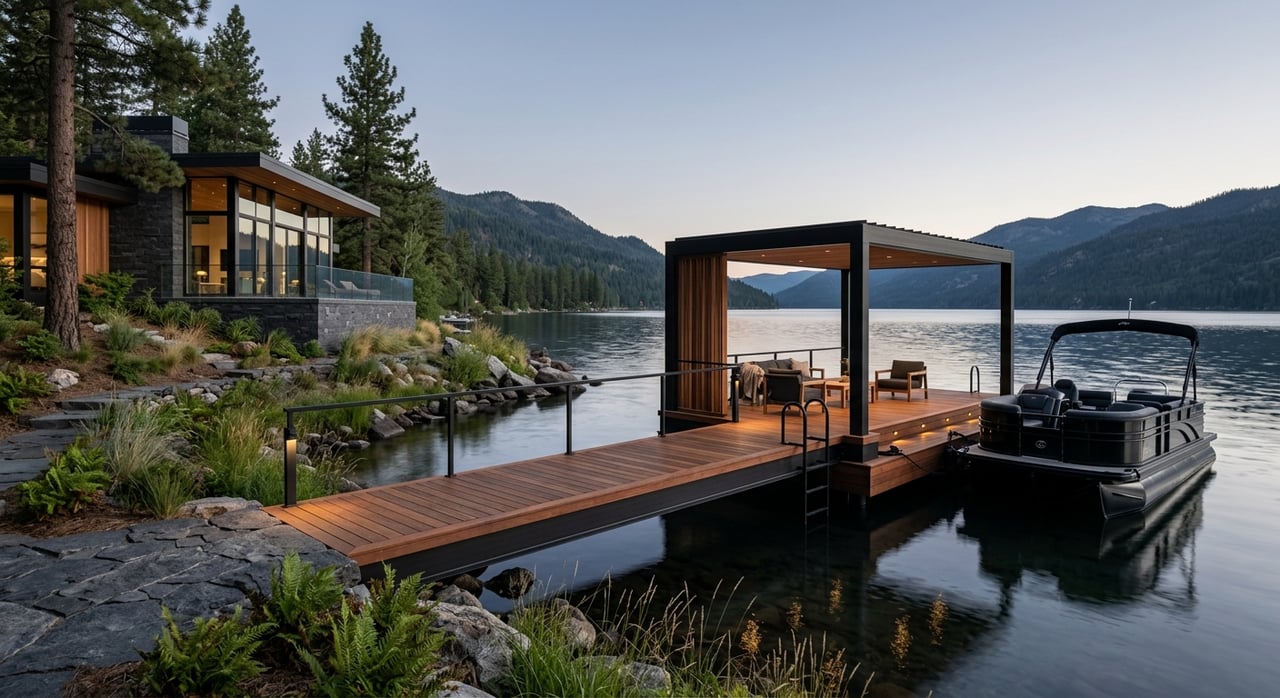
Homes on Kings Bay or main Crystal River channels offer direct access to springs and a navigable route to the Gulf. These lots often carry the highest visibility and desirability. Views and boat access are strong value drivers, along with whether a seawall or dock exists. Seasonal manatee protections can affect use in certain areas.
Canal frontage
Canal homes connect to larger channels, which can be great for small to medium boats. Access can depend on dredging and tides, so depth and clearance matter. The presence and condition of docks or lifts influences both value and maintenance. Always confirm the route from the canal to open water.
Spring-front zones
Properties near warm-water springs and manatee sanctuaries have special environmental protections. Speed and access rules can shape your daily boating routine. You still enjoy wildlife viewing and unique water quality. Expect seasonal closures or restrictions near Three Sisters Springs.
Price and value realities
Waterfront generally commands a premium over inland in Crystal River, but the exact difference varies by water type and property specifics. Open water with Kings Bay or Gulf access often prices above canals, and canals typically price above inland homes with only a view. The presence and condition of a dock or seawall can shift value and time to sell. For a specific neighborhood, ask your agent to run two MLS comp sets to gauge the local premium.
Flood risk and insurance
FEMA maps and SFHA status
The City of Crystal River reports that nearly all properties inside city limits fall within a FEMA Special Flood Hazard Area. Updated Flood Insurance Rate Maps took effect on January 15, 2021. Always confirm the exact FEMA panel, flood zone code, and Base Flood Elevation for the address. An Elevation Certificate can help you and your insurer price risk more precisely.
Risk Rating 2.0 pricing
FEMA’s Risk Rating 2.0 moved NFIP pricing to a property-level model that considers flood frequency, distance to water, first-floor height, and rebuild cost. Two nearby homes can have very different premiums as a result. Waterfront often faces higher exposure, but some inland homes can also be costly depending on their specifics. Get both NFIP and private-market quotes for the exact address before you write an offer.
Citizens flood requirement
Florida’s changes to Citizens Property Insurance now require many policyholders to carry separate flood insurance on a phased schedule through 2027. If a seller’s policy is with Citizens, ask how the requirement will apply at renewal or transfer. This can impact total insurance cost and your budget. A local insurance agent can outline timing and options.
Lender requirements
If your lender is federally regulated and the property is in a high-risk flood zone, flood insurance will be required when you carry a mortgage. Even when it is not required, many Crystal River buyers choose to carry flood coverage given the local mapping. Plan early so coverage and closing timelines align. Your agent and insurer can coordinate quotes and bind dates.
Maintenance and permitting
Typical waterfront upkeep
Waterfront homes bring extra care for docks, lifts, and pilings. Seawalls or bulkheads need periodic inspection and repairs over time. Salt exposure increases corrosion on metal fixtures and boats, so replacement cycles can be shorter. Build an annual reserve for marine structures and ask contractors for written quotes.
Docks, seawalls, and approvals
Many shoreline projects need approvals from multiple agencies. Private docks, seawalls, and stabilization work can involve the U.S. Army Corps of Engineers, Florida DEP, and city or county permits. Local records often include flood review notes and map panels for the job. Before you buy, request copies of permits, final inspections, and any as-built drawings.
Sewer, septic, and systems
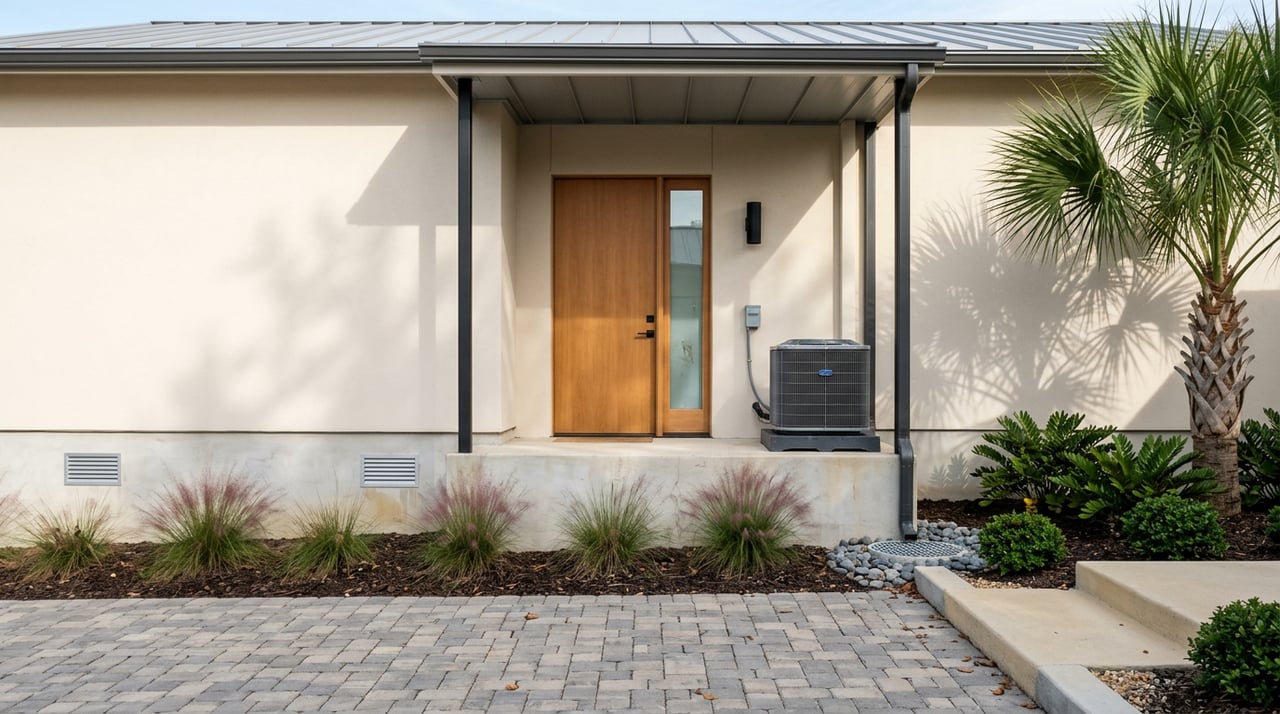
Confirm whether the property is on public sewer or septic and whether any coastal restrictions apply. Ask about the elevation of mechanicals and any floodproofing measures. Knowing these details helps your insurer and informs maintenance planning. It can also factor into future renovation options.
Short-term rental potential
City rules and zoning
Crystal River regulates short-term rentals through its Land Development Code and zoning map. Resort housing and short stays are limited to certain districts, with downtown and commercial waterfront areas having different allowances than typical residential zones. Some areas may require registration or affidavits and may impose minimum stay lengths. Always verify that a specific address is eligible before assuming STR income.
Seasonality and demand
Tourist demand peaks during winter manatee season, roughly mid-November through March. Expect stronger occupancy and rates in those cooler months, especially near Kings Bay and the springs. Off-season performance depends on access, amenities, and marketing. Use a local manager or data provider for updated ADR and occupancy projections.
Taxes and compliance
Short-term rentals must collect and remit state sales tax and local tourist development taxes. You may need a transient rental license and city registration. Build these costs into your budget and confirm filing rules with the city and county. Compliance supports long-run income and avoids penalties.
Build a pro forma
If you plan to rent, ask a local property manager for a 12-month pro forma. Include seasonal ADR, occupancy, cleaning and management fees, maintenance reserves, and local taxes. Confirm zoning eligibility, registration status, and whether furnishings and amenities are permitted. This gives you a realistic net figure before you buy.
Lifestyle tradeoffs
- Waterfront: Immediate boating, fishing, wildlife viewing, and scenic sunsets. You accept more maintenance, possible boat traffic, and manatee-related speed or access limits in certain areas.
- Canal access: Good balance of boatability and price for many buyers. Depth, tides, and maintenance still matter.
- Inland: Quieter streets and simpler insurance and upkeep. You can be closer to shops and services and use nearby marinas for boat access.
A simple decision framework
- Clarify your must-haves
- Do you need private dock access or is a nearby marina enough?
- Is open water worth the added insurance and maintenance in your budget?
- Price and comps
- Ask for two MLS sets: 3 to 6 waterfront comps and 3 to 6 inland comps matched by size and condition.
- Compare price per square foot, days on market, and recent sale-to-list trends.
- Insurance early
- Obtain NFIP and private flood quotes at the address level under Risk Rating 2.0.
- Ask about hurricane deductibles and whether Citizens requirements will apply.
- Permits and structures
- Collect permits and inspection records for docks and seawalls.
- Order a contractor walk-through for expected lifespan and replacement costs.
- Rental plan
- Verify zoning and registration for STR eligibility.
- Build a 12-month pro forma that captures seasonality and tax obligations.
Buyer checklist for Crystal River
- FEMA flood zone panel, zone code, BFE, and effective date; request an Elevation Certificate if available.
- NFIP and private flood quotes using the exact address, including building and contents.
- For waterfront: permits for docks and seawalls, dates of last major work, as-built drawings, and inspection history.
- Zoning and STR eligibility; confirm any HOA or deed rules and whether a property is grandfathered for rental use.
- Two sets of MLS comps: waterfront-filtered and inland, matched by size and condition.
- Utility status: public sewer or septic; location and elevation of mechanicals.
- Marina options and slip availability if you will not maintain a private dock.
- A realistic rental pro forma from a local manager that reflects winter peaks.
Ready to explore the right fit?
Whether you choose open water, a quiet canal, or a low-maintenance inland home, the best choice matches your budget, risk comfort, and lifestyle. If you want local, address-level insight on flood quotes, dock permits, and the real waterfront premium in your target neighborhood, you deserve a guide who lives this market every day. Reach out to Laura Bush, PA to compare options, line up quotes, and tour the homes that fit you best.
FAQs
What is the flood insurance situation for Crystal River buyers?
- Nearly all property in the city limits is mapped in a Special Flood Hazard Area, so get at-address NFIP and private quotes under FEMA’s Risk Rating 2.0 before you commit.
How do short-term rental rules work in Crystal River?
- The city regulates STRs by zoning and may require registration; resort housing is limited to certain districts, so verify eligibility for the exact address and any minimum stays.
What extra maintenance should I expect with waterfront homes?
- Budget for dock, lift, and seawall upkeep, plus faster corrosion from salt exposure; ask for permits, inspections, and written contractor estimates before closing.
Does Citizens Property Insurance require flood coverage?
- Many Citizens policyholders must carry separate flood insurance under a phased timeline through 2027, which can affect total insurance cost and timing.
Are canal homes a good compromise between price and access?
- Often yes; canals can provide practical boat access at a lower cost than open water, but confirm depth, tides, and the route to larger channels before you buy.